

Manufacturing Data
| Material | 18mm White Melamine-Faced MDF |
| Tool | 6mm Compression End Mill |
| RPM | 18000 RPM |
| Feed Rate | 8000 mm/min |
| Pass Depth | 18mm single pass |
| Machine Time | ~50 minutes |
| Assembly Time | ~30 minutes |
| Machine Type | SMART-MAXSPEED-2137 CNC Router |
| CAM Software | Aspire |
Build Summary
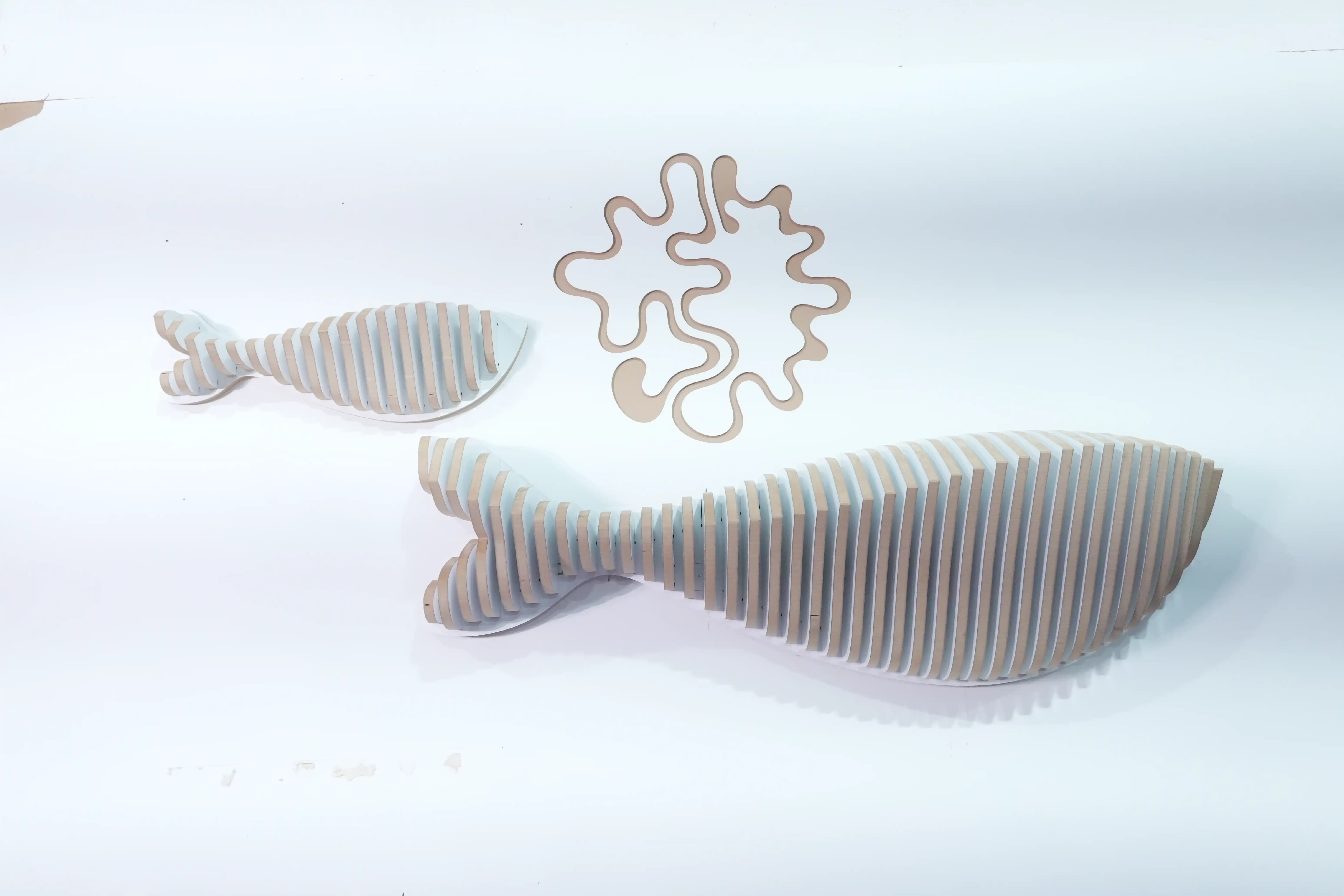
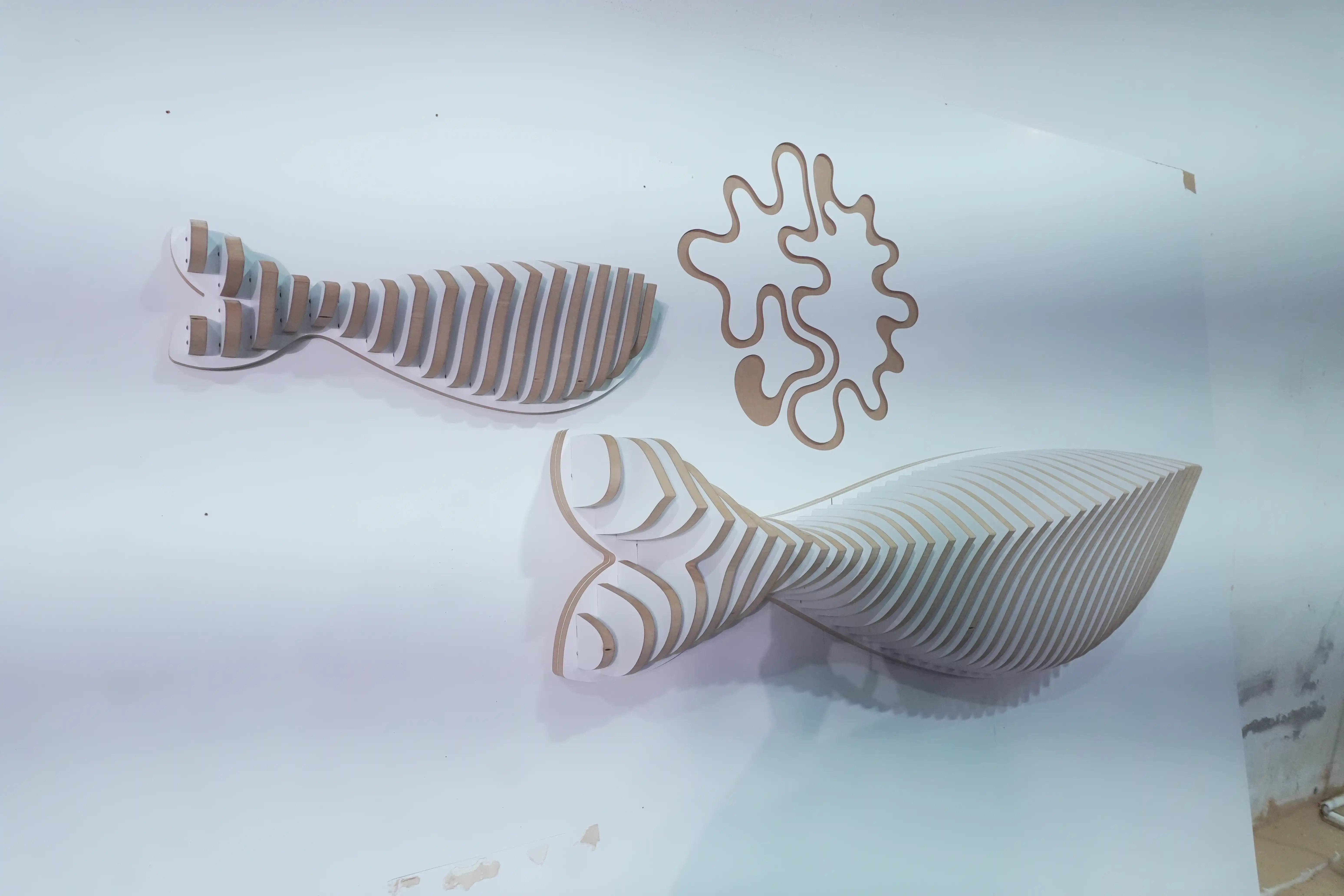
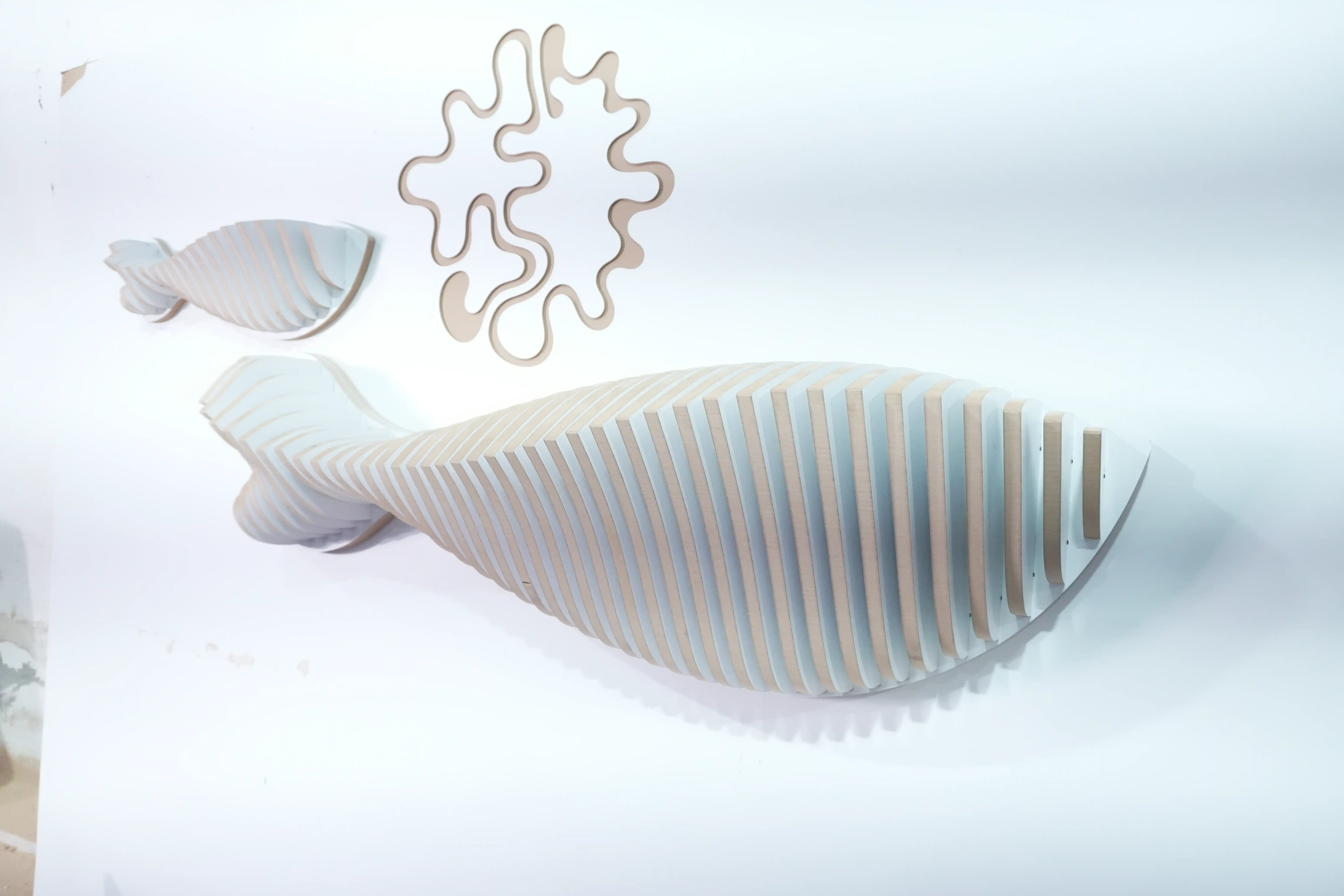
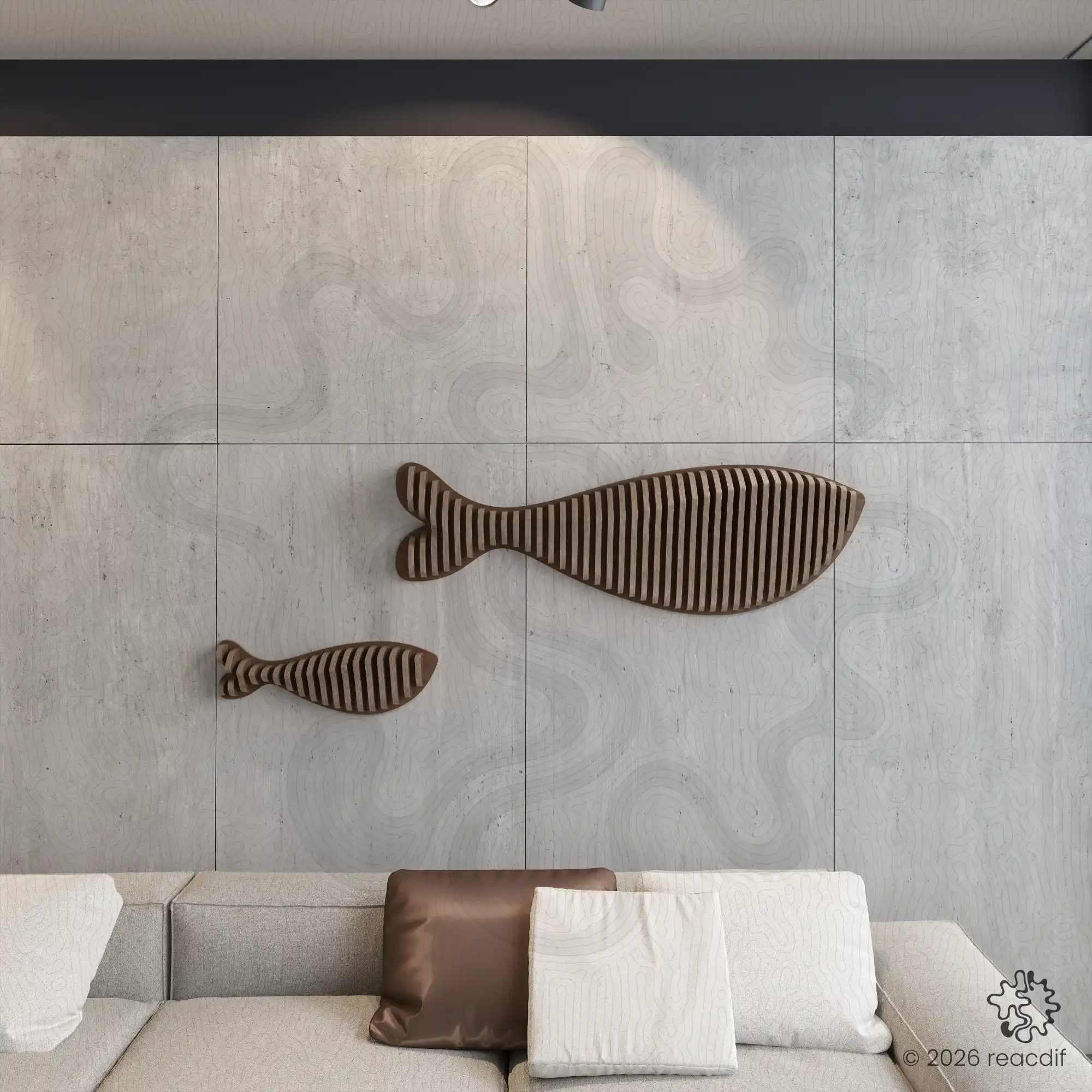
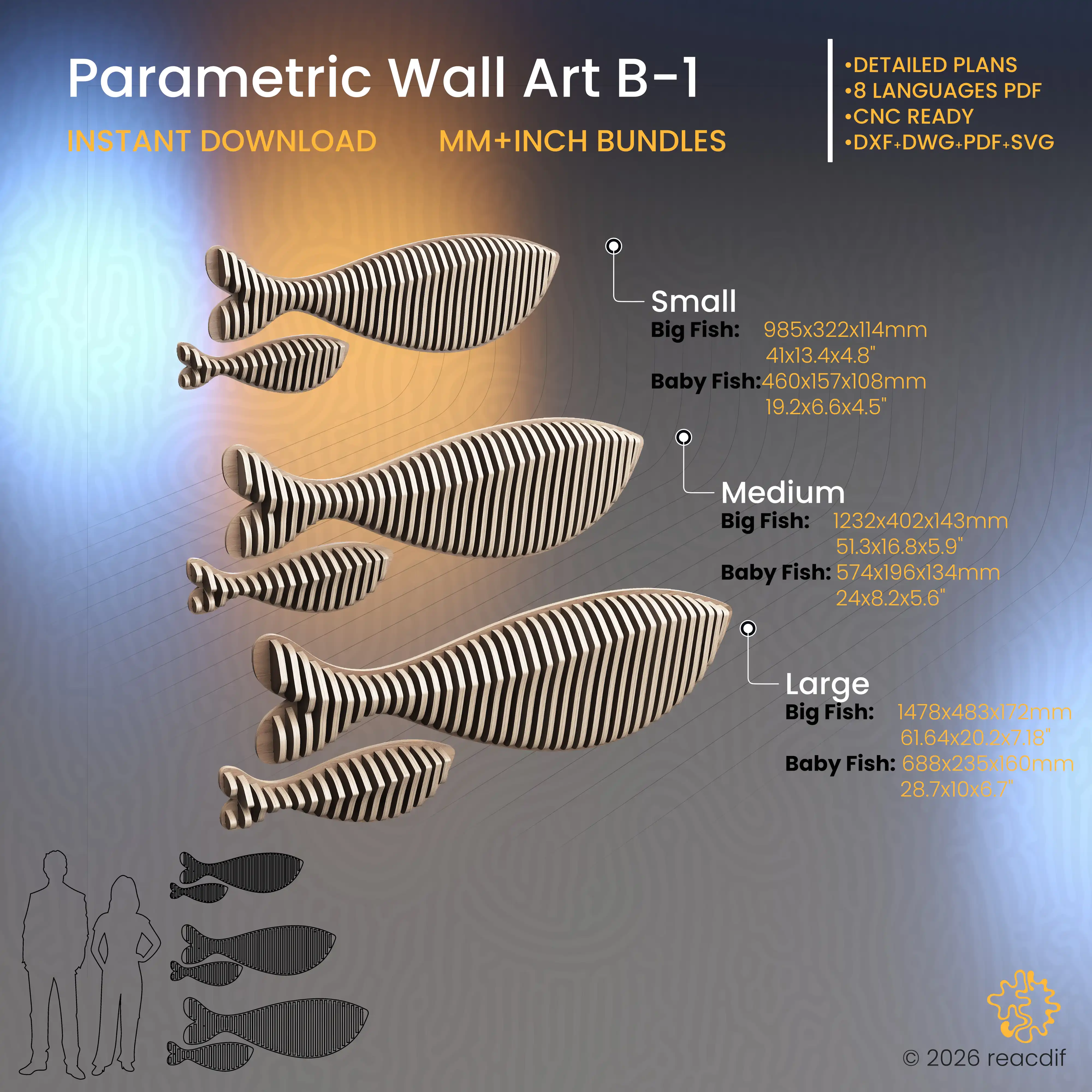
I recently completed a full CNC production test of the Parametric Wall Art B-1 project. The entire set was cut from a single sheet of 18 mm white melamine-faced MDF and the machining process took approximately 50 minutes from start to finish.
Fabrication Notes
One interesting observation was that I performed full-depth cuts through the material without any issues. The cutter handled the operation surprisingly well, producing clean edges and consistent results throughout the job. Assembly Experience: The machining phase went smoothly, but I encountered an unexpected issue during assembly. This project was designed with approximately 0.3 mm of clearance on each side of the interlocking connections. Under normal circumstances, this should provide a comfortable fit. However, the parts were significantly tighter than expected and required much more force during assembly. After measuring the material, I discovered the reason: Although the sheet was sold as 18 mm MDF, its actual thickness was approximately 18.38 mm. That extra 0.38 mm may seem insignificant, but in a design that relies heavily on slot-fit connections, the difference becomes very noticeable. The assembly was successful, but it was far from effortless. What's more interesting is that this happened before any primer, paint, or finishing layers were applied. Lesson Learned: This build reinforced an important manufacturing principle: Never rely solely on nominal sheet thickness. Even when working with commercially available sheet materials, actual dimensions can vary enough to affect assembly quality and fit. For future builds, I will measure every sheet with calipers before generating toolpaths and adjust slot dimensions accordingly. A few tenths of a millimeter can make a significant difference in real-world production. This is exactly why I enjoy documenting physical builds. Every prototype teaches something that cannot be learned from CAD models alone.